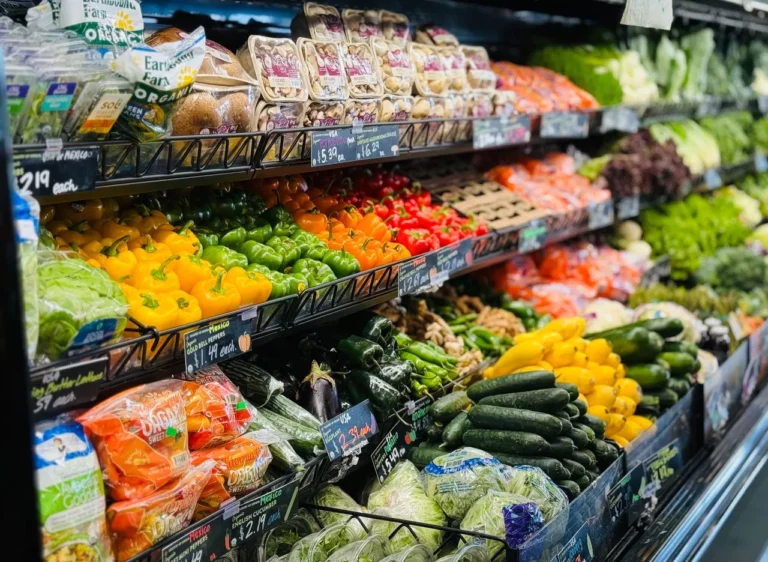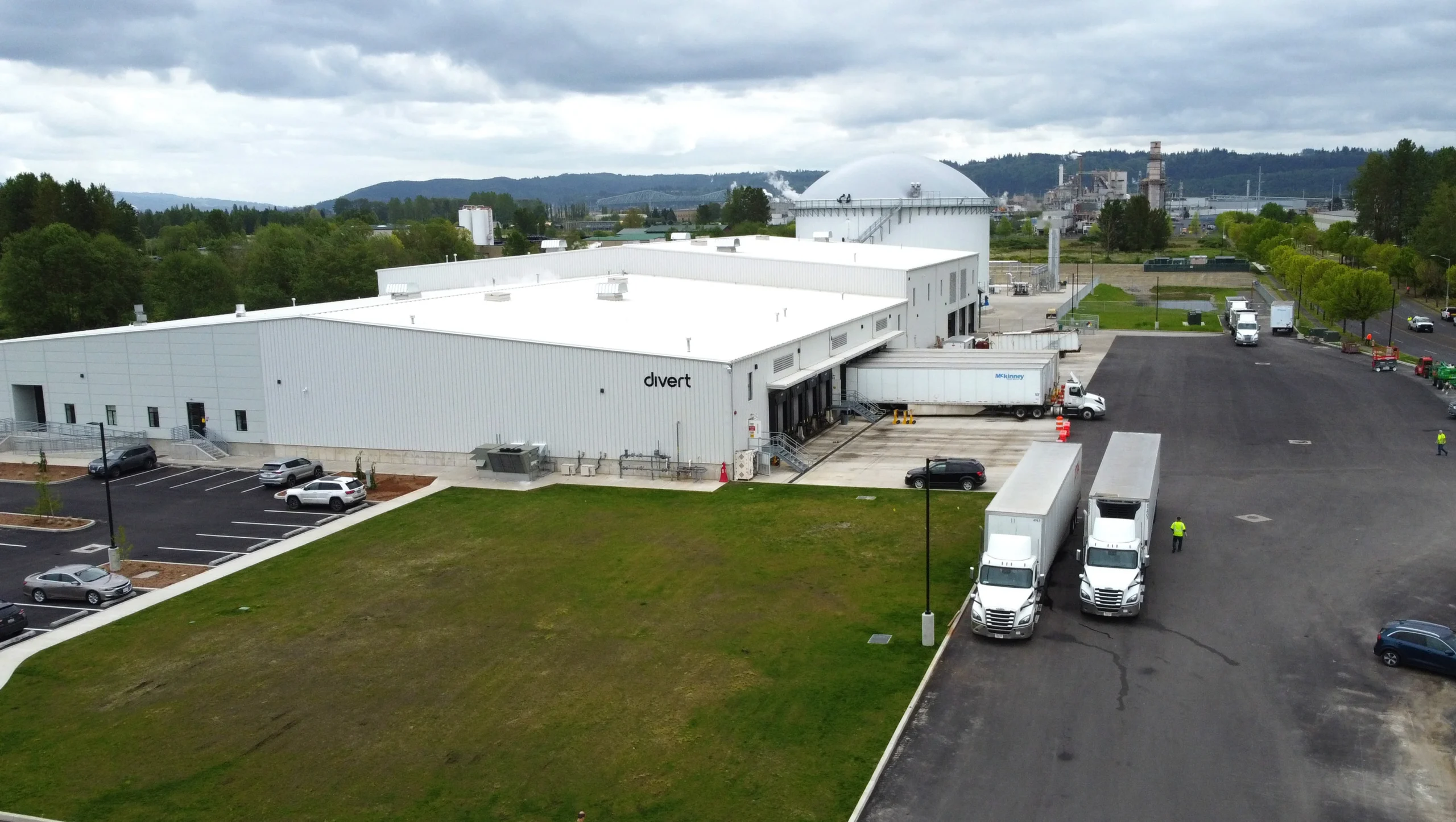
Divert, Inc., a leader in circular economy solutions focused on eliminating wasted food, has announced the launch of its Integrated Diversion & Energy Facility in Longview, Washington. This milestone marks the first facility of its kind in the state and represents a significant advancement in sustainable infrastructure across the Pacific Northwest. Designed to transform unsold and non-donatable food into valuable resources, the site reinforces a growing shift toward localized, circular systems that reduce environmental impact while strengthening regional economies.
Spanning approximately 66,000 square feet, the facility is equipped with Divert’s advanced depackaging technology, capable of separating organic materials from packaging with high recovery efficiency. Once extracted, the organic waste is processed through anaerobic digestion, a biological process that converts food waste into renewable energy and nutrient-rich byproducts. This approach not only diverts material from landfills but also ensures that its inherent value is preserved and reintegrated into the economy.
At full operational capacity, the Longview facility is expected to process up to 100,000 tons of unsold food annually. This substantial volume underscores the scale of food waste challenges in modern supply chains, while also highlighting the potential for innovative solutions to address them. By transforming this material, the facility will generate more than 235,000 MMBtu of renewable energy each year—enough to power over 3,200 homes. In addition, it will produce approximately 450,000 pounds of nutrient-rich fertilizer annually, supporting agricultural productivity and enabling the growth of an estimated 225 million pounds of apples.
The environmental benefits extend beyond energy and agriculture. The facility is projected to offset up to 23,000 metric tons of carbon dioxide equivalent (CO2e) emissions annually. This reduction plays a meaningful role in helping Washington and Oregon meet their climate goals, particularly as both states work to reduce greenhouse gas emissions and divert organic waste from landfills. By addressing emissions associated with decomposing food waste and replacing fossil fuel-based energy with renewable natural gas, Divert’s model contributes to a more sustainable and resilient energy system.
Beyond its environmental impact, the facility is designed to influence the entire food value chain. By capturing and analyzing data from incoming materials, Divert can provide insights upstream to retailers and manufacturers, helping them identify inefficiencies and reduce waste at the source. At the same time, the facility sets a new benchmark for downstream processing, ensuring high-quality outputs that can be safely used as soil amendments in agriculture.
Ryan Begin, CEO and co-founder of Divert, emphasized the broader implications of the project, noting that waste systems across the country are becoming increasingly complex, with disposal sites often located far from where waste is generated. He highlighted the importance of localized solutions that retain value within communities, improve operational efficiency, and support energy independence. According to Begin, Divert’s model not only increases food donation and resource recovery but also strengthens agricultural systems and helps businesses comply with evolving environmental regulations.
The Longview facility also plays a critical role in supporting partnerships across the food industry. Divert is working with major retailers and manufacturers in the Pacific Northwest, including Albertsons, Fred Meyer, Kroger, Reser’s Fine Foods, and Safeway. These collaborations enable businesses to manage unsold food more effectively while maintaining operational reliability. Through its integrated services, Divert handles the complexities of organics diversion, allowing partners to focus on serving customers and communities.
In addition, Divert has partnered with Feeding America® to enhance food donation efforts. This collaboration ensures that edible food is redirected to people in need whenever possible, maximizing the social impact of the system. By combining waste reduction with hunger relief, the initiative addresses two critical challenges simultaneously.
The facility arrives at a time when regulatory requirements around organic waste are becoming more stringent. Policies such as Washington’s Organics Management Law and Portland’s food scraps mandate require businesses to divert organic waste from landfills. Divert’s infrastructure provides a reliable and scalable solution for companies navigating this regulatory landscape, helping them achieve compliance while also improving sustainability outcomes.
Local and regional leaders have praised the project for its environmental innovation and economic contributions. Oregon Metro Councilor Christine Lewis pointed out the often-overlooked climate impact of food production and waste, emphasizing how circular solutions like Divert’s address both issues effectively. By creating a market for food scraps and converting them into valuable resources, the facility demonstrates how innovation can align environmental and economic goals.
Economic development and workforce impacts have also been central to the project. Longview, historically an industrial hub in the Pacific Northwest, benefits from renewed investment through this facility. The project has created construction jobs and is expected to support ongoing employment opportunities, reinforcing the region’s industrial capabilities. Local labor organizations have highlighted Divert’s commitment to working with the community, prioritizing skilled workers, and ensuring that economic benefits remain within the region.
The facility’s location in Longview offers strategic advantages, particularly its proximity to infrastructure capable of handling renewable natural gas (RNG). Through an interconnection agreement with Cascade Natural Gas, the RNG produced at the facility is injected directly into the existing pipeline network. This integration allows the renewable energy generated from food waste to power homes, businesses, and industries that are difficult to electrify, further enhancing its impact.
Ultimately, the launch of Divert’s Integrated Diversion & Energy Facility represents a significant step forward in rethinking how society manages food waste. By combining advanced technology, strategic partnerships, and a commitment to sustainability, the facility demonstrates the potential of circular economy principles in action. It not only reduces waste and emissions but also creates tangible economic and social benefits, setting a precedent for future infrastructure projects across the country.
As food systems continue to evolve and sustainability becomes an increasingly urgent priority, initiatives like this highlight the importance of innovation and collaboration. Divert’s Longview facility stands as a model for how communities can transform challenges into opportunities, turning wasted food into energy, nutrients, and a more resilient future.
Divert is a circular economy company on a mission to prevent food from being wasted through nationwide infrastructure and innovative technologies. Founded in 2007, the company provides an end-to-end solution that leverages data to prevent waste, facilitates edible food recovery to provide to people in need, and transforms unsold food products into renewable energy to power communities and fertilizers to enrich local soils. Through this integrated approach to reducing wasted food–Prevent, Provide, Power®–Divert works with customers across the U.S. to reduce wasted food and positively impact people and the environment.