FERM FOOD ApS has unveiled a new gluten-free, fermented bread binder designed specifically for industrial bakeries, offering a simpler and more effective solution to some of the most persistent challenges in gluten-free bread production. The innovative ingredient aims to improve bread quality while reducing the need for multiple additives, helping manufacturers create products with better texture, flavor, and consistency.
Gluten-free baking often presents significant difficulties compared to traditional bread production. Without gluten, dough can become unstable, resulting in bread that is crumbly, difficult to slice, and lacking in structure. To compensate, manufacturers frequently rely on a complex mix of additives and binding agents. FERM FOOD’s new bread binder seeks to address these issues with a single, multifunctional ingredient.
According to Søren Lange, Head of Development at FERM FOOD ApS, the new solution was created to streamline production processes while enhancing the eating experience for consumers.
“Our new gluten-free bread binder is designed to simplify production and improve taste. A single binder can replace several functional ingredients traditionally used in gluten-free recipes. This makes it easier for industrial bakeries to standardize production, reduce ingredient complexity, and achieve a richer, slightly tangy flavor profile similar to sourdough bread,” Lange explained.
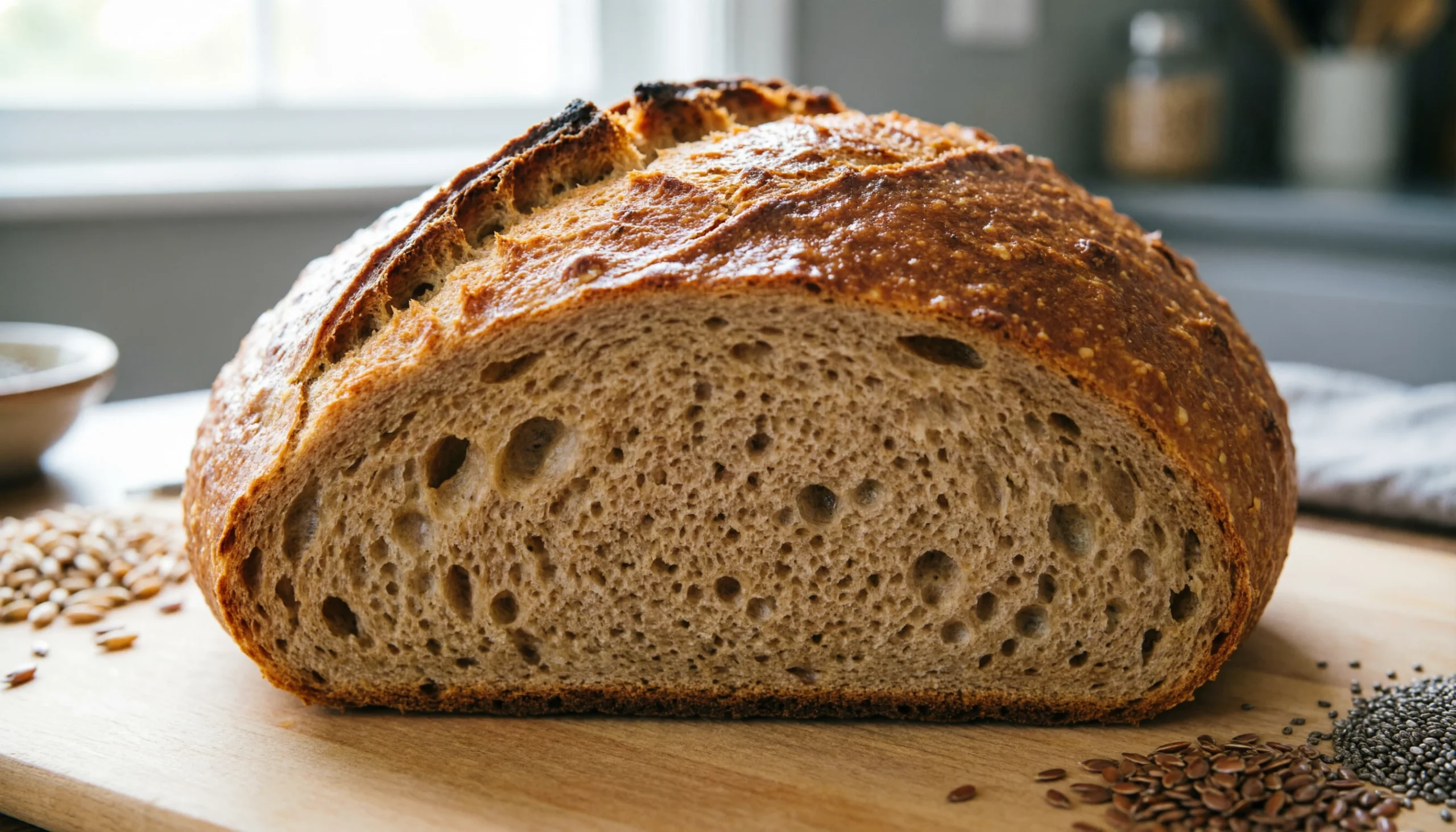
The fermented binder helps improve the structure of gluten-free dough, creating a more homogeneous mixture that is easier to process during manufacturing. As a result, bakeries can achieve bread with improved volume, better moisture retention, and a more appealing texture.
One of the key benefits of the new ingredient is its ability to reduce crumbliness, a common issue in gluten-free bread. Improved binding properties make the finished product easier to slice while maintaining softness and freshness for longer periods. The enhanced water-binding capacity also helps prevent the bread from drying out, contributing to a more enjoyable consumer experience.
The product has already undergone testing in real-world production environments, including trials at Vadehavsbageriet, a Danish specialty bakery known for producing gluten-free bread for retail markets.
Jytte from Vadehavsbageriet highlighted the positive results achieved during testing.
“Thanks to the binding agent, we were able to achieve a consistent result. The dough became more homogeneous, which improved both the texture and taste of the bread. At the same time, we were able to simplify the recipe significantly. The outcome is a high-quality bread with a clean label that meets consumer expectations,” she said.
Beyond improving product quality, the binder also offers operational advantages for bakeries. By combining multiple functional properties into a single ingredient, manufacturers can reduce the number of components required in their formulations. This can help streamline inventory management, lower procurement costs, and simplify production workflows.
The ingredient is made from fermented buckwheat and broad beans, both sourced within the European Union. Using EU-sourced raw materials helps ensure a secure and reliable supply chain while supporting regional agricultural production. For industrial bakeries facing supply chain uncertainties and rising ingredient costs, this added level of security can be particularly valuable.
The gluten-free bread binder forms part of FERM FOOD’s broader portfolio of fermented binding solutions. In addition to bakery applications, the company has developed binders designed for use in vegetables, legumes, and minced meat products such as pork and chicken. These solutions are intended to help food manufacturers improve texture, functionality, and product stability across a wide range of applications.
At the heart of FERM FOOD’s technology is a fermentation process involving carefully selected lactic acid bacteria. Fermentation naturally enhances the functionality of raw materials while contributing to improved nutritional value and flavor development. The process creates ingredients that not only perform effectively in food production but also align with growing consumer demand for cleaner labels and more natural ingredients.
The company believes its new gluten-free bread binder can help industrial bakeries meet increasing demand for high-quality gluten-free products without compromising on taste or texture. As the gluten-free market continues to expand worldwide, solutions that simplify production while delivering superior results are becoming increasingly important.
With its combination of functionality, simplicity, and natural fermentation technology, FERM FOOD’s latest innovation represents a significant step forward for industrial gluten-free baking and could help manufacturers deliver better products while optimizing production efficiency.
About FERM FOOD
FERM FOOD is a Danish manufacturer of fermented plant-based ingredients for the food industry. The company utilizes the fermentation of solids with lactic acid bacteria to create functional ingredients for everyday foods. FERM FOOD is committed to natural and economically sustainable solutions along the entire value chain – from producer to consumer.
Source link: https://www.businesswire.com/