The companies said they have mutually ended talks regarding a potential business combination and will continue focusing on their respective strategic priorities.
The beauty industry witnessed a major development earlier this year when The Estée Lauder Companies and Puig confirmed that they were engaged in discussions regarding a possible business combination. The announcement, made on March 23, 2026, immediately sparked speculation across the global beauty and luxury sectors, with analysts and investors closely watching what could have become one of the most significant mergers in the prestige beauty industry in recent years. However, both companies have now officially announced that they have ended discussions regarding a potential merger, choosing instead to continue pursuing their independent strategic goals.
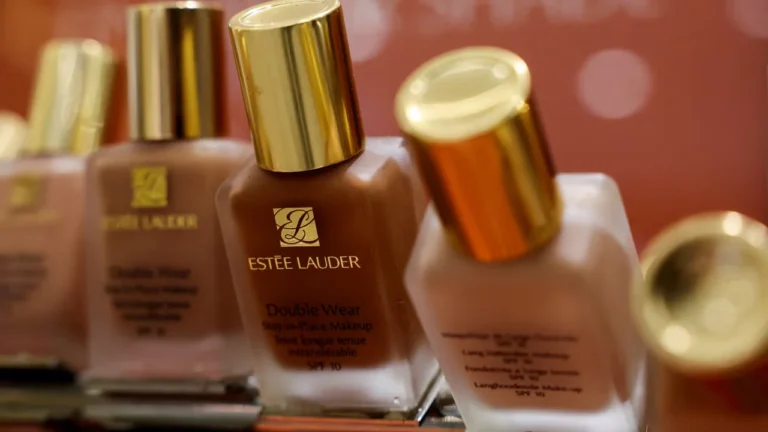
The decision marks the conclusion of months of market speculation surrounding a possible partnership between two influential players in the global beauty business. While no formal agreement had ever been signed, the talks attracted considerable attention because of the complementary strengths of the two companies. The Estée Lauder Companies, one of the world’s leading prestige beauty groups, owns an extensive portfolio of globally recognized skincare, makeup, fragrance, and haircare brands. Puig, headquartered in Spain, has established itself as a major force in luxury fragrances and fashion-led beauty brands, with a growing international footprint.
In a joint update issued today, the companies confirmed that discussions had ended without a transaction moving forward. Despite the outcome, executives emphasized mutual respect and appreciation for the conversations held during the process.
Stéphane de La Faverie, President and Chief Executive Officer of The Estée Lauder Companies, reaffirmed the company’s confidence in its long-term strategy and future as an independent organization. He expressed gratitude toward Puig for the constructive discussions and emphasized that Estée Lauder remains fully committed to executing its transformative “Beauty Reimagined” strategy.
According to de La Faverie, the company’s confidence is rooted in the strength of its iconic portfolio, the expertise of its global workforce, and the organization’s ability to continue adapting to evolving consumer trends in the beauty market. He stated that the company sees substantial long-term opportunities ahead and believes it is well-positioned to create sustainable value for shareholders through innovation, operational efficiency, and strategic growth initiatives.
The conclusion of merger discussions comes at a time when The Estée Lauder Companies is undergoing one of the most significant transformations in its history. Through its “Beauty Reimagined” initiative, the company is restructuring operations to become faster, more agile, and increasingly consumer-focused. The strategy is designed to strengthen the company’s competitive position in a rapidly changing beauty landscape where consumer preferences, digital engagement, and global market dynamics continue to evolve at a rapid pace.
A key component of this transformation is the implementation of the company’s “One ELC” operating model. This framework is intended to create stronger collaboration across business divisions while simplifying decision-making processes and improving operational efficiency. By integrating functions more effectively and accelerating innovation cycles, the company aims to respond more quickly to emerging consumer trends and market opportunities.
Executives noted that the company is already seeing encouraging momentum across multiple areas of the business. The strength of its global brand portfolio continues to provide resilience and flexibility across categories, regions, and consumer demographics. From prestige skincare and luxury fragrance to makeup and haircare, The Estée Lauder Companies maintains a broad market presence that allows it to compete effectively in both mature and emerging markets.
The company also highlighted its continued focus on scaling successful ideas globally and directing investments toward the highest-growth opportunities within its portfolio. This includes expanding digital capabilities, increasing consumer engagement, and strengthening innovation pipelines across its brands.
Industry analysts had viewed a potential merger between The Estée Lauder Companies and Puig as a strategic opportunity that could have created a powerful combined entity in the luxury beauty market. Puig’s strong fragrance business and fashion-oriented brand partnerships would have complemented Estée Lauder’s global prestige beauty portfolio. Together, the companies could have potentially strengthened their positions in Europe, North America, Asia-Pacific, and high-growth emerging markets.
However, mergers of this scale also involve significant complexities, including integration challenges, cultural alignment, regulatory considerations, and long-term strategic fit. While the companies did not provide specific reasons for ending the discussions, both sides appear committed to maintaining focus on their existing growth plans rather than pursuing a large-scale consolidation at this time.
For The Estée Lauder Companies, remaining independent allows management to continue executing its transformation agenda without the disruption that often accompanies major mergers. The company’s leadership stressed that it remains optimistic about its ability to drive sustainable revenue growth and improve profitability over the long term.
One of the company’s major financial priorities is achieving a solid double-digit adjusted operating margin over time. Management believes that operational improvements, stronger execution, and disciplined investment strategies will help support these goals. At the same time, the company plans to remain active in evaluating opportunities to optimize its portfolio through targeted acquisitions and divestitures when strategically appropriate.
This approach reflects broader trends within the beauty industry, where companies are increasingly seeking flexibility and agility in response to shifting consumer behavior. The prestige beauty market continues to evolve rapidly, driven by growing demand for premium skincare, personalized beauty experiences, digital commerce, and wellness-focused products. Companies that can innovate quickly and maintain strong brand relevance are expected to hold a competitive advantage.
The Estée Lauder Companies believes its diverse portfolio and global reach position it well to capitalize on these trends. The company continues to invest heavily in innovation, marketing, technology, and international expansion while also strengthening supply chain efficiency and operational effectiveness.
Meanwhile, Puig is also expected to continue focusing on its own growth trajectory. Over recent years, the company has significantly expanded its influence in luxury fragrances and premium beauty through strategic investments and partnerships with globally recognized fashion and lifestyle brands. Puig’s strong performance in fragrance categories has helped it establish a distinctive position within the competitive luxury beauty sector.
Although the merger discussions ultimately did not lead to a transaction, the developments highlight the ongoing consolidation pressures and strategic repositioning occurring across the global beauty industry. Large beauty companies continue exploring partnerships, acquisitions, and portfolio optimization strategies as they compete for market share and seek new growth opportunities in an increasingly dynamic environment.
For investors, employees, and industry observers, the announcement provides clarity regarding the future direction of both organizations. The Estée Lauder Companies is signaling that its focus remains firmly on transformation, operational excellence, and long-term value creation as a standalone company. Management believes the “Beauty Reimagined” strategy is already producing positive results and will continue strengthening the company’s ability to compete globally.
As the beauty sector continues evolving, both The Estée Lauder Companies and Puig are expected to remain influential players shaping the future of prestige beauty. While merger discussions may have ended, the broader industry focus on innovation, brand strength, consumer engagement, and strategic growth remains stronger than ever.
About The Estée Lauder Companies Inc.
The Estée Lauder Companies Inc. is one of the world’s leading manufacturers, marketers, and distributors of high-end skincare, makeup, fragrance, and haircare products, and manages luxury and prestige brands worldwide. The company’s products are sold in approximately 150 countries and territories under brand names such as Estée Lauder, Aramis, Clinique, Lab Series, Origins, MAC, La Mer, Bobbi Brown Cosmetics, Aveda, Jo Malone London, Bumble and bumble, Darphin Paris, TOM FORD, Smashbox, AERIN Beauty, Le Labo, Editions de Parfums Frédéric Malle, GLAMGLOW, KILIAN PARIS, Too Faced, Dr.Jart+, the DECIEM family of brands (including The Ordinary and NIOD), and BALMAIN Beauty.