Amazon India Partners with Netafim to Launch Water-Saving Irrigation Projects in Bengaluru and Hyderabad
Amazon India has announced the launch of major water conservation initiatives in collaboration with Netafim, part of Orbia’s precision agriculture division. The projects are being implemented in the Indian cities of Bengaluru and Hyderabad and are designed to significantly reduce water usage in agriculture through the adoption of modern irrigation technologies. By replacing traditional flood irrigation methods with drip irrigation systems, the initiatives are expected to save more than 325 million litres of water annually.
This approach represents a critical step toward improving water management in regions where water resources are under increasing stress. The initiative also aligns with Amazon’s broader sustainability goals and reflects the company’s growing commitment to responsible resource management across its operations in India. The projects demonstrate how collaboration between global technology companies and agricultural innovation leaders can deliver practical solutions that benefit farmers, communities, and the environment while supporting long-term water sustainability.
Addressing Water Scarcity Through Drip Irrigation Technology
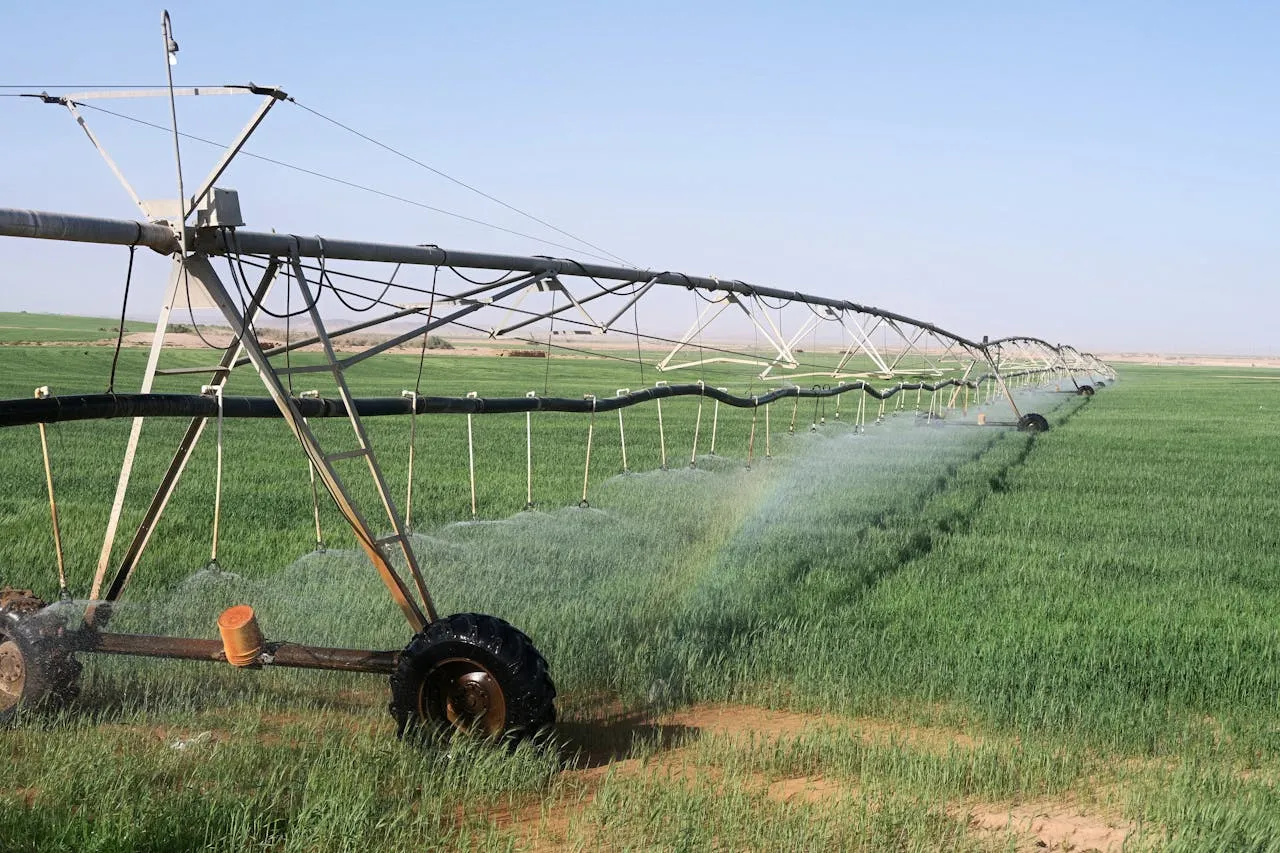
Water scarcity is one of the most pressing challenges facing agriculture in India, particularly in rapidly urbanizing regions where agricultural water demand competes with growing municipal requirements. Traditional flood irrigation methods, widely used across many farming communities, involve releasing large quantities of water across fields, which often leads to significant waste through evaporation, runoff, and uneven distribution. In contrast, drip irrigation systems deliver water directly to the roots of plants through a network of pipes and emitters, ensuring that crops receive the precise amount of water they require.
This targeted approach dramatically reduces water wastage while maintaining or even improving crop yields. By implementing drip irrigation across multiple farms, Amazon and Netafim aim to help farmers transition toward more efficient agricultural practices. The technology also supports soil health and can reduce the need for excessive fertilizer use, contributing to more sustainable agricultural production. For farmers operating in water-stressed regions, adopting drip irrigation can improve productivity, reduce operating costs, and ensure more reliable crop output even during periods of water scarcity.
Collaboration Between Amazon and Netafim to Support Sustainable Agriculture
The partnership between Amazon India and Netafim highlights the increasing role that private sector collaborations play in addressing environmental challenges. Netafim has long been recognized as a global leader in precision irrigation solutions that enable farmers to grow more with fewer resources. Through this collaboration, the company is providing the technical expertise and irrigation infrastructure necessary to help farmers transition from water-intensive farming practices to more sustainable systems.
According to Max Moldavsky, Director of Innovation and Climate Solutions at Orbia Netafim, the project illustrates how precision irrigation technologies can create measurable impact at the community level. By helping farmers adopt drip irrigation, the initiative improves water efficiency while also strengthening agricultural livelihoods. Moldavsky emphasized that such projects reflect Netafim’s long-standing commitment to water stewardship and climate-resilient agriculture. By combining Amazon’s sustainability initiatives with Netafim’s agricultural expertise, the partnership demonstrates how businesses can contribute to solutions that address both environmental and economic challenges facing rural communities.
Bengaluru Project to Save More Than 175 Million Litres of Water Annually
One of the key components of the initiative is the water conservation project being implemented in Bengaluru. The program focuses on supporting farmers in the western agricultural belt of the city, where water stress has become increasingly severe due to rapid urban expansion and growing demand for water resources. The project will replace traditional flood irrigation with drip irrigation across approximately 80 hectares of farmland used for cultivating gourds and tomatoes. By implementing this advanced irrigation technology, the initiative is expected to save more than 175 million litres of water every year.
Around 70 independent farmers will benefit directly from the project, gaining access to more efficient irrigation systems that can help sustain their agricultural activities even as water availability becomes more uncertain. Many of these farmers currently rely on local water systems connected to the TG Halli reservoir, which supplies water to parts of western and northern Bengaluru. As pressure on the reservoir increases due to population growth and climate variability, initiatives that reduce water demand from agriculture play a crucial role in maintaining regional water balance. The project not only contributes to water conservation but also helps farmers improve crop management by ensuring consistent irrigation and reducing the risks associated with uneven water distribution.
Supporting Farmers and Water Security in Karnataka
The Bengaluru project is particularly important for the state of Karnataka, which has been identified as one of India’s most water-stressed regions. Changing rainfall patterns, increased groundwater extraction, and rising urban water demand have placed considerable strain on local water resources. Agriculture accounts for a large share of water consumption in the region, making efficient irrigation practices essential for long-term sustainability. By helping farmers adopt drip irrigation technology, the project enables them to reduce water consumption while maintaining productivity.
The shift toward precision irrigation also allows farmers to better manage crop growth, as water and nutrients can be delivered directly to plant roots in controlled quantities. This approach not only conserves water but can also improve crop quality and yield stability. As climate conditions become more unpredictable, initiatives like this provide farmers with tools that help them adapt to changing environmental conditions while continuing to sustain their livelihoods.
Hyderabad Project Expected to Save 150 Million Litres of Water Each Year
A second major project under the initiative is being implemented in Hyderabad, where agricultural communities are also facing growing water challenges. The Hyderabad project focuses on introducing drip irrigation across approximately 40 hectares of farmland used for maize and vegetable cultivation. Through this transition away from traditional flood irrigation methods, the initiative is expected to conserve around 150 million litres of water annually. Approximately 40 independent farmers operating in the northern agricultural belt of Hyderabad will benefit from the improved irrigation systems.
These farms rely on water sources connected to the Kondapochamma Sagar reservoir, which forms part of the Kaleshwaram Lift Irrigation Scheme. This large-scale infrastructure project plays a vital role in ensuring water availability for the region, but rising demand continues to place pressure on available supplies. By improving water efficiency at the farm level, the drip irrigation project helps reduce the strain on shared water resources while ensuring that farmers can continue cultivating essential crops. The initiative demonstrates how targeted agricultural interventions can support broader water security goals for rapidly growing urban regions.
Strengthening Regional Water Security Through Efficient Farming
Efficient water use in agriculture is essential for protecting the long-term water security of cities like Bengaluru and Hyderabad. As urban populations grow, the demand for drinking water, industrial usage, and infrastructure development increases significantly. At the same time, climate change has introduced new uncertainties in rainfall patterns, making traditional water management practices less reliable.
By promoting drip irrigation, Amazon and its partners are helping farmers reduce water consumption while maintaining agricultural productivity. The initiative contributes to a more balanced allocation of water resources, ensuring that both urban and rural communities can continue to access the water they need. Improved irrigation systems also reduce energy consumption associated with water pumping and distribution, creating additional environmental benefits. These combined advantages make drip irrigation one of the most effective tools for addressing water scarcity challenges in agricultural regions across India.
Amazon’s Commitment to Responsible Water Use in India
Amazon has increasingly integrated water conservation into its broader environmental sustainability strategy. Abhinav Singh, Vice President of Operations at Amazon India and Australia, emphasized that the initiative focuses on practical solutions capable of delivering measurable impact on the ground. By supporting farmers in improving irrigation efficiency, the company is contributing directly to water conservation in regions that face significant water stress.
Singh highlighted that partnerships with organizations possessing specialized expertise are essential for implementing projects that produce meaningful outcomes. Through collaborations such as the one with Netafim, Amazon aims to support responsible water use while strengthening the resilience of agricultural communities. These efforts align with the company’s broader sustainability commitments and demonstrate how corporate environmental initiatives can address critical challenges such as water scarcity.
Amazon’s Goal to Become Water Positive in India by 2027
The irrigation projects in Bengaluru and Hyderabad form part of Amazon’s larger objective of becoming water positive in India by 2027. Achieving this goal means that the company intends to return more water to communities than it uses in its direct operations. In 2024, Amazon formally announced this commitment after several years of improving water efficiency across its facilities and investing in projects that restore water resources in vulnerable regions.
The company has already invested more than ₹42 crore in water replenishment initiatives across India. These investments are expected to collectively restore over 3 billion litres of water annually once all projects reach full operational capacity. The initiatives span multiple regions and focus on a range of strategies including watershed restoration, lake rejuvenation, and sustainable agricultural practices.
Major Water Replenishment Projects Across India
Among Amazon’s major water replenishment initiatives is a ₹10 crore investment in the Vaitarna hydrobasin in Maharashtra. This project is expected to replenish approximately 1.3 billion litres of water annually while benefiting more than 700 farming families. Amazon has also collaborated with the environmental organization SayTrees to restore Yamare Lake and Sai Reddy Lake, projects that together are expected to replenish more than 570 million litres of water each year.
Additional efforts include watershed restoration work along the Yamuna River in New Delhi, which adds another 400 million litres of annual replenishment capacity. Through Amazon Web Services, the company has also supported water access initiatives implemented by organizations such as WaterAid and Water.org. These collaborations have contributed hundreds of millions of litres of additional water supply annually to communities around Hyderabad and Mumbai. Amazon has further partnered with the SEARCH organization to improve water availability for farmers living in villages surrounding Hyderabad where AWS maintains operational facilities.
Long-Term Impact of Corporate Water Stewardship Initiatives
The combined impact of these projects illustrates the growing role that corporate sustainability initiatives can play in addressing environmental challenges at scale. By investing in water conservation, replenishment, and agricultural efficiency programs, companies like Amazon are contributing to broader ecosystem resilience while supporting the communities in which they operate. These initiatives also demonstrate the potential for private sector leadership in advancing innovative solutions to resource management challenges.
As climate change continues to intensify pressure on global water systems, collaborations between businesses, technology providers, and nonprofit organizations will become increasingly important. Projects such as the drip irrigation programs in Bengaluru and Hyderabad provide a practical example of how strategic partnerships can create meaningful environmental and social benefits. By helping farmers adopt more efficient agricultural practices while restoring water resources in vulnerable regions, these initiatives represent a significant step toward building a more sustainable and water-secure future for India.
Source Link:https://press.aboutamazon.com/