SoftBank Robotics expands its FOOD DX strategy with U.S. debut of autonomous kitchen robots at a major industry trade show.
SoftBank Robotics Corp. has announced a major step in its international growth strategy with the U.S. debut of its next-generation autonomous cooking robots, STEAMA and FLAMA. These innovations, built on the company’s extensive FOOD DX (Food Digital Transformation) expertise developed in Japan, will be introduced to the American market at the prestigious National Restaurant Association Show 2026, one of the largest and most influential gatherings in the global foodservice industry. The event is scheduled to take place from May 16 to May 19, 2026, at McCormick Place in Chicago.
This debut represents more than just a product showcase—it reflects a broader strategic push by SoftBank Robotics to expand its footprint in the global foodservice sector. By bringing advanced automation technologies to the U.S., the company aims to address pressing challenges faced by operators while redefining how food is prepared, delivered, and experienced.
At the center of this initiative are two innovative robotic systems: STEAMA and FLAMA. Each has been designed with a specific purpose in mind, yet both share a common goal—enhancing efficiency, consistency, and scalability in modern kitchens.
STEAMA is a highly specialized cooking robot that leverages high-pressure, high-temperature steam technology to prepare frozen noodle dishes in approximately 90 seconds. Its design focuses on simplicity and precision, enabling operators to produce high-quality meals with minimal effort. With a single touch, STEAMA recreates the texture and flavor of freshly prepared noodles, delivering a smooth, springy consistency that closely mirrors traditional cooking methods. The steam-based process ensures even heating of noodles and ingredients, preserving the aroma and richness of soups while maintaining consistent quality across servings. This makes STEAMA particularly valuable for businesses looking to serve authentic, freshly prepared dishes without relying heavily on skilled labor.
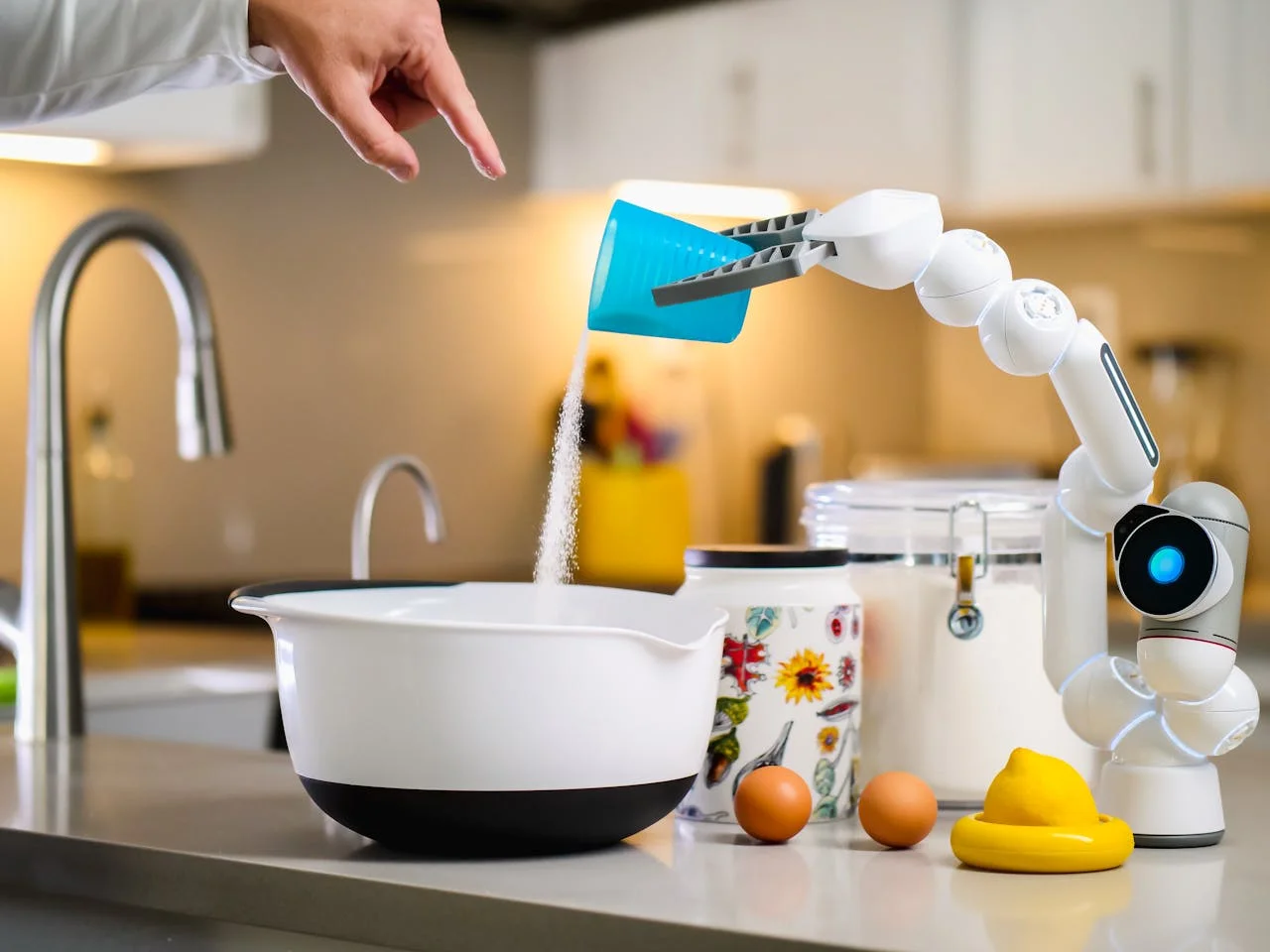
FLAMA, on the other hand, represents a broader leap in automation. It is a fully integrated cooking robot capable of managing the entire cooking process—from ingredient dispensing and seasoning to stir-frying, mixing, thickening, plating, and even post-cooking cleaning. What sets FLAMA apart is its integration with “SyncKitchen,” a recipe management platform that allows operators to upload and synchronize recipes from renowned chefs and popular restaurants. This capability enables businesses to replicate signature dishes with remarkable consistency, regardless of location or staff experience. In an industry where maintaining quality across multiple outlets can be a challenge, FLAMA offers a compelling solution by standardizing execution while preserving culinary authenticity.
The introduction of these robots comes at a critical time for the U.S. foodservice industry. Similar to trends observed in Japan, operators in the United States are grappling with a range of structural challenges. Chronic labor shortages continue to strain operations, while rising wages and high employee turnover add to the financial burden. Inconsistent food quality across locations further complicates brand management, particularly for chains and franchises. At the same time, consumer expectations are evolving rapidly. Today’s customers demand not only high-quality meals but also speed, convenience, and reliability—placing additional pressure on operators to optimize their workflows.
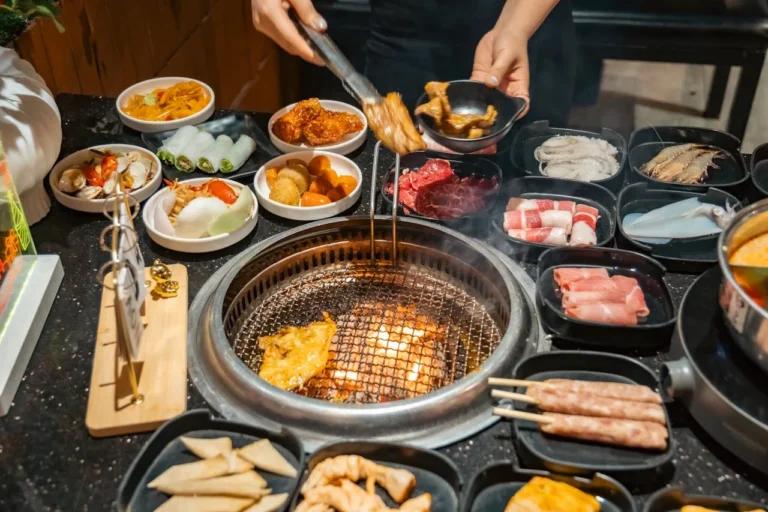
These challenges extend beyond traditional restaurants and cafeterias. Industries such as corporate dining, technology campuses, and large-scale retail environments are increasingly dependent on efficient foodservice operations as part of their overall customer and employee experience strategies. Food courts in shopping centers, for instance, must balance high volume with consistent quality, while corporate dining programs are expected to deliver diverse, restaurant-quality meals at scale. In all these scenarios, the need for scalable, resilient, and technology-driven solutions is becoming more pronounced.
SoftBank Robotics positions itself as more than just a provider of robotic hardware. The company emphasizes a holistic approach to transforming foodservice operations by integrating technology, workflows, and human expertise. Through solutions like STEAMA and FLAMA, it aims to reduce reliance on manual labor, streamline kitchen processes, and enhance overall operational efficiency. By automating repetitive and labor-intensive tasks, these systems free up human staff to focus on higher-value activities such as customer service and menu innovation.
The potential impact of such technologies is significant. For operators, automation can lead to lower labor costs, improved consistency, and faster service times. For customers, it translates into reliable quality and shorter wait times. For the industry as a whole, it opens the door to new business models that are less dependent on traditional workforce structures and more adaptable to changing market conditions.
The upcoming showcase at the National Restaurant Association Show will serve as a key platform for demonstrating these capabilities to industry stakeholders. STEAMA and FLAMA will be exhibited at the booths of Bear Robotics and Hestia, offering attendees a firsthand look at how automation can transform kitchen operations. The event itself, organized by National Restaurant Association in partnership with Informa Connect, is expected to attract thousands of professionals from across the foodservice ecosystem, including restaurateurs, suppliers, and technology innovators.
As SoftBank Robotics continues to expand its presence in the FOOD DX domain, the U.S. market represents a significant opportunity. By introducing proven technologies from Japan into a new context, the company is not only addressing immediate operational challenges but also contributing to the long-term evolution of the foodservice industry. The debut of STEAMA and FLAMA marks an important milestone in this journey, signaling a future where automation and human creativity work hand in hand to deliver better, faster, and more consistent dining experiences.
With industry pressures mounting and innovation accelerating, the integration of autonomous cooking systems could soon become a defining feature of modern foodservice operations. SoftBank Robotics’ latest offering suggests that this future may be closer than many expect.
About SoftBank Robotics Corp.
SoftBank Robotics Corp. has been at the forefront of robotics technology development since the launch of its humanoid robot “Pepper” in 2014. The group has consistently introduced innovation, including autonomous cleaning robots in 2018, multi-tray delivery robots in 2021, and automated logistics solutions consulting in 2022. Leveraging extensive knowledge and operational data, SoftBank Robotics is playing a pioneering role as a Robot Integrator (RI) by providing effective robotic implementation solutions. With a global presence in 21 locations across 9 countries, SoftBank Robotics’ robots are deployed worldwide.